


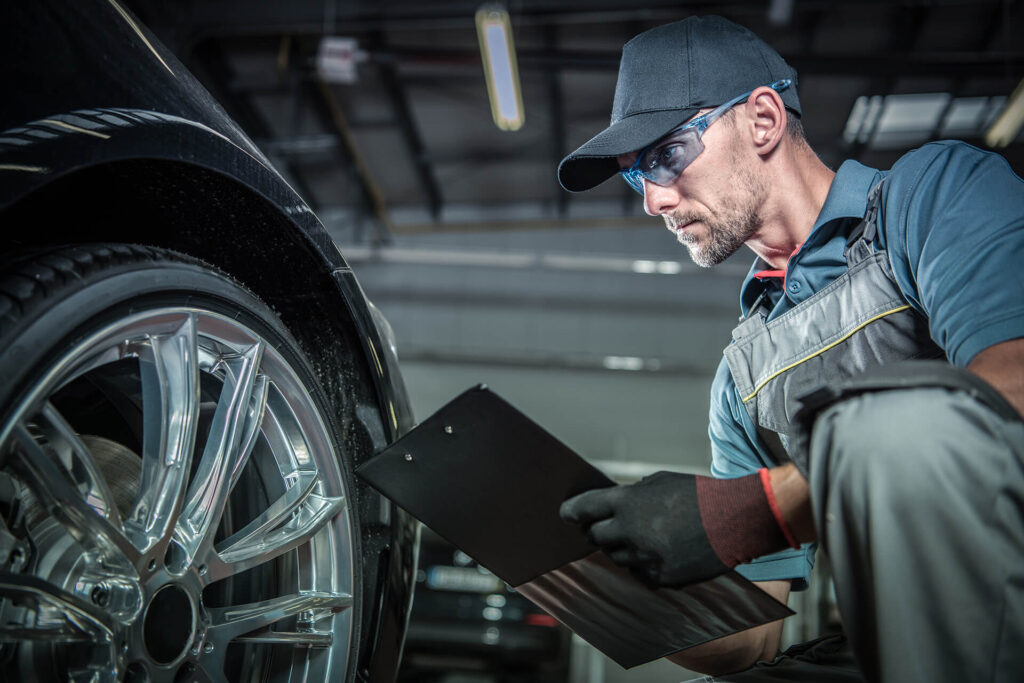
By the end of 2026, thousands of Kiwi car owners will face a harsh reality: more vehicles than ever will fail their Warrant of Fitness (WOF) inspections. A WOF is a basic safety check that all cars must pass before they can be registered for use on New Zealand roads. Failing a WOF means your vehicle didn’t meet the minimum safety standards, and you cannot legally drive it until it passes.
Statistics show that in parts of New Zealand, such as Auckland and Northland, up to 40% of cars fail their WOF on the first inspection. The national average hovers around 35% of vehicles failing when they’re checked. That’s a significant jump from previous years, meaning more drivers are faced with expensive repairs and lost time.
But why are so many cars failing? The answer is simple: there are stricter safety standards. Additionally, it ages vehicle fleets, and sometimes owners have to wait too long between repairs.
What are the Common Reasons for Failure?
The number of failed WOFs in New Zealand is at an all-time high, with the failure rate of vehicles during their first inspection reaching 40% in certain regions. The spike is attributed to stricter safety standards, the aging of the vehicle fleet, and the increased stringency of inspection procedures adopted in recent years. There are various reasons that we’re going to mention.
- Lighting and signalling faults (broken headlights, indicators, and brake lights) cause over 35% of WOF failures.
- Worn or bald tyres account for nearly 28% of failed checks. Tires with less than 1.5 mm of tread are unsafe.
- Faulty brakes and brake pads are responsible for about 15% of failures.
- Suspension and steering system defects account for approximately 12 per cent.
- Cracked window frames or faulty wipers account for nearly 10 per cent.
Older vehicles are at a higher risk because their repair costs tend to be higher. Many Kiwi owners are torn between investing more money in maintenance or exploring alternatives.
The Real Impact of Failed WOF Inspections
It is always a cause of concern when a WOF fails. First, when your car fails, you will have 28 days to resolve any issues and retake the test. Repairs do not have to be expensive, particularly in the case of older vehicles or those with multiple problems. Lighting might not be difficult, but repairing the wiring, changing the bulbs, and ensuring that all the signals are functioning can be expensive, costing hundreds of dollars. Tyres and brakes are even more costly, often running into the thousands for complete fixes.
This means:
- Families may have to go without a car while repairs are being made.
- Owners must pay for tow trucks if the vehicle can’t be legally driven.
- Missed work, cancelled plans, and stress add up.
Some people try to “do it yourself,” fixing bulbs or swapping tyres at home. However, many issues, such as brake system faults or suspension problems, require the attention of a mechanic. Even then, the strict standards mean that old cars may continue to fail, regardless of how much owners spend on them.
It’s not just an inconvenience. Driving a car that cannot pass a WOF is dangerous. Faulty brakes, gripless tyres, or broken lights put lives at risk. If caught, owners face fines and possible legal action.
The result? Thousands of Kiwi drivers in 2025 are now considering bigger changes: giving up on non-compliant vehicles altogether.
Why Car Removal in NZ Is the Smart Choice
If your car keeps failing its WOF, or repair costs exceed the car’s value, car removal services are an innovative solution for Kiwi owners this year. In 2025, more people are opting to sell their old, non-compliant cars to removal companies instead of repeatedly fixing them.
Here’s why car removal is an easy, modern answer:
1. Instant Cash for Broken or Failed Cars
Car removal companies in NZ will pay cash for your car—even if it isn’t running or it keeps failing WOF tests. Owners can get paid on the spot, sometimes within 24 hours. No waiting, no arguing.
2. Free Pickup and Paperwork
There is no need to think about towing or transfer expenses. Most removal companies provide free pickup and sort all the paperwork on your behalf. As soon as you take up their offer, they will visit your home or business, whichever place the car is parked.
3. Save Time and Money
Rather than repairing your car and doing a series of WOF tests, sell your car and move on in a jiffy, and no more worrying about employing repairers or hunting down parts. The process takes only a few minutes to complete.
4. Friendly Disposal of the Environment.
Old cars may leak oil, contaminate the soil, or pose a fire hazard. The car removal professionals recycle vehicles in an environmentally friendly manner, dismantling them and reusing parts while safely disposing of hazardous fluids. This makes NZ remain green and clean.
5. Free Up Space
Unproductive vehicles occupy space in driveways and garages. Their removal will give space to a new car, a project, or even a clean house.
Real-life example: Tracy in Auckland had a car, which failed three WFs in mid 2025. She was weary of paying upkeep and was concerned with security. After calling a car removal company, she got $1,000 and had the car gone the same day. No stress, just certainty.
Conclusion
WOF failure rates in NZ are rising, making it harder for everyday drivers to keep aging cars on the road. While repairs are possible, the costs and risks are high. Savvy Kiwi owners are opting for BJ Wreckers for instant cash, free pickup, and responsible recycling.
Don’t waste money or energy fighting repeated WOF failures. Car removal is fast, fair, and simple, and puts you back on the road to something better.
